Best Pop Up Canopy Tent for Outdoor Markets 2026

Clock11 min read

Published On:    by Chris Holmes Updated On:  
Best pop up canopy tent for outdoor markets.

Best pop up canopy tent for outdoor markets.

Your Market Stall's Foundation: Choosing the Best Pop-Up Canopy Tent

The best pop-up canopy tent for outdoor markets combines a commercial-grade aluminum frame, at least 500D polyester canopy fabric, and a custom dye-sublimated printed top. For most vendors, a 10x10-foot footprint covers standard stall allotments, while high-volume sellers benefit from a 10x20-foot configuration. Prioritize branded printing options from day one: your canopy is your first impression, not just your roof.

Why Your Canopy Tent is More Than Just Shelter

At a busy farmers market or craft fair, shoppers scan dozens of stalls in seconds. Your canopy is the single largest visual asset you control. A faded, sagging tent signals low effort; a clean, branded structure signals a business worth stopping at. That distinction directly affects foot traffic and sales.

The Core Needs of an Outdoor Market Vendor

Market vendors need a tent that sets up solo in under ten minutes, holds up in unpredictable weather, and packs into a rolling bag that fits in a sedan. Beyond portability, it must perform across dozens of market days without frame fatigue or fabric fading.

Defining "Commercial-Grade": What to Look For

Consumer-grade canopies sold at big-box retailers use thin steel frames and low-denier fabric rated for occasional backyard use. Commercial-grade means aluminum frames with telescopic legs, push-button or thumb-tilt adjustment systems, and fabric with UV protection. These specs translate directly into fewer replacements and a lower long-term cost per market day.

Vendor Insight: Calculate cost per use, not sticker price. A $180 canopy replaced every season costs more over three years than a $450 commercial unit that lasts a decade.

Beyond the Basics: Essential Features for Market-Ready Pop-Up Canopy Tents

Best pop up canopy tent for outdoor markets.

Durability and Frame Strength: Steel vs. Aluminum for the Long Haul

Aluminum Frame

  • Lighter: easier solo transport
  • Rust-proof in rain and humidity
  • Better strength-to-weight ratio

Steel Frame

  • Heavier: more difficult to carry alone
  • Prone to rust without protective coating
  • Lower cost at entry level

Weather Warrior: Water Resistance, UV Protection, and Wind Stability

Look for a minimum 2000mm hydrostatic head rating for rain protection. UV-protective fabric shields both you and your products. Canopies with adjustable leg venting and cross-brace systems handle wind loads without requiring guy wires.

Fire Safety Standards: Navigating Market Regulations

Many organized outdoor markets and municipal events require fire-resistance certification. Confirm compliance requirements with your market organizer before purchasing. A non-compliant tent can be turned away at check-in, regardless of what you paid for it.

Material Matters: Canopy Fabric Choices for Longevity and Print Quality

Polyester denier rating determines how long your canopy top holds color and resists tearing. Entry-level canopies often use 150D polyester; commercial-grade units typically start at 500D. For printed canopies, 600D fabric helps maintain dye saturation through repeated folding and UV exposure. Coated fabrics can improve water resistance without sacrificing print clarity--which matters when your logo is on display every weekend.

Fabric Type Denier Best For Print Quality
Basic Polyester 150D Occasional use Fades quickly
Mid-Grade Polyester 300D Seasonal vendors Moderate retention
Commercial Polyester 500-600D Weekly market vendors Long-lasting color

Sizing Up Your Space: Finding the Right Pop-Up Canopy Tent Dimensions

The 10x10-Foot Standard: Pros and Cons for Market Stalls

The 10x10-foot configuration is the universal standard at farmers markets, craft fairs, and street festivals nationwide. Nearly every market allocates 10x10-foot stall spaces, making this size a safe default. It fits a six-foot table, two side displays, and a vendor comfortably. The trade-off is limited room for product variety or customer browsing inside the footprint.

Maximizing Space: When a 10x20 Tent Makes Sense

A 10x20-foot setup suits vendors who book double stalls, sell large items like furniture or artwork, or want a dedicated demo area separate from checkout. The added depth creates a clear customer flow path, reducing congestion and increasing dwell time. Confirm with your market organizer before purchasing--not all venues accommodate the larger footprint.

Considering Foot Traffic and Booth Layout

High-traffic markets reward open-front layouts where shoppers can step inside without committing. Position your highest-margin products at eye level near the front corners, where passing foot traffic naturally glances. A canopy with removable side walls gives you flexibility: open on busy days, enclosed in cold or rainy conditions.

The Importance of Headroom and Wall Space

Standard canopy peak height runs 7 to 8.5 feet at the center. Taller frames allow hanging signage and banner displays that draw attention from farther away. Side wall panels double as vertical display space--prime real estate when your ground footprint is fixed at 100 square feet.

Your Brand's Billboard: Customizing Your Pop-Up Canopy for Maximum Impact

The Power of Professional Branding at Markets

A well-chosen canopy does more than block sun--it broadcasts your brand to everyone within a hundred feet. Shoppers decide whether to approach a stall within three seconds of seeing it. A custom-printed canopy with your logo, brand colors, and a clear value statement does the selling before a single word is spoken.

Logo Placement and Design: Making Your Mark

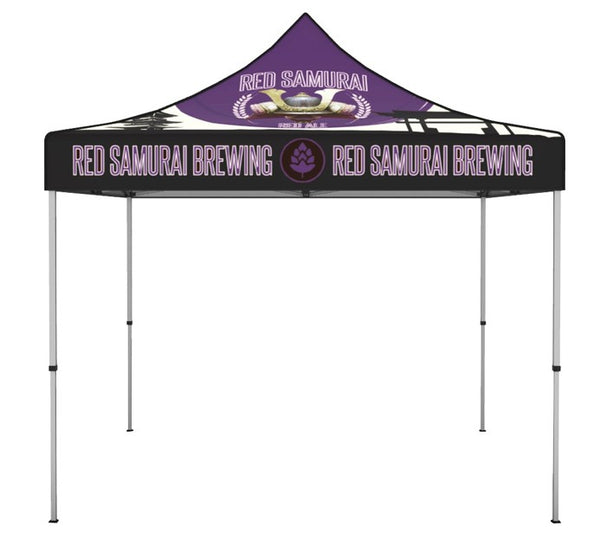
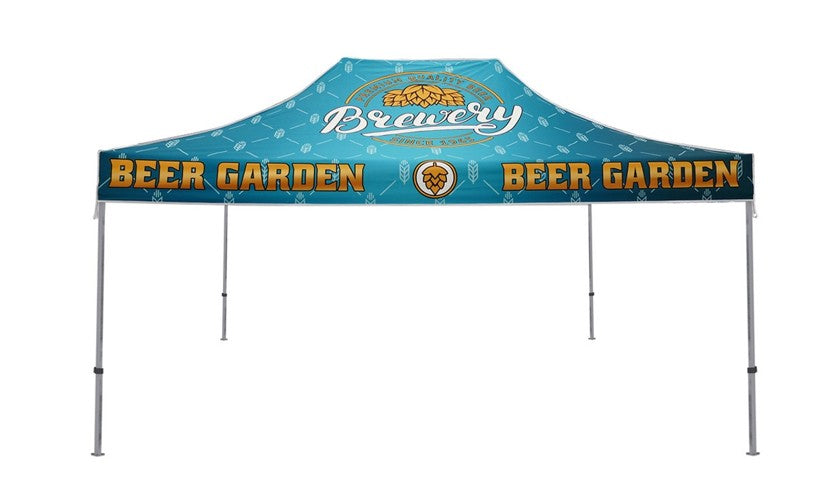
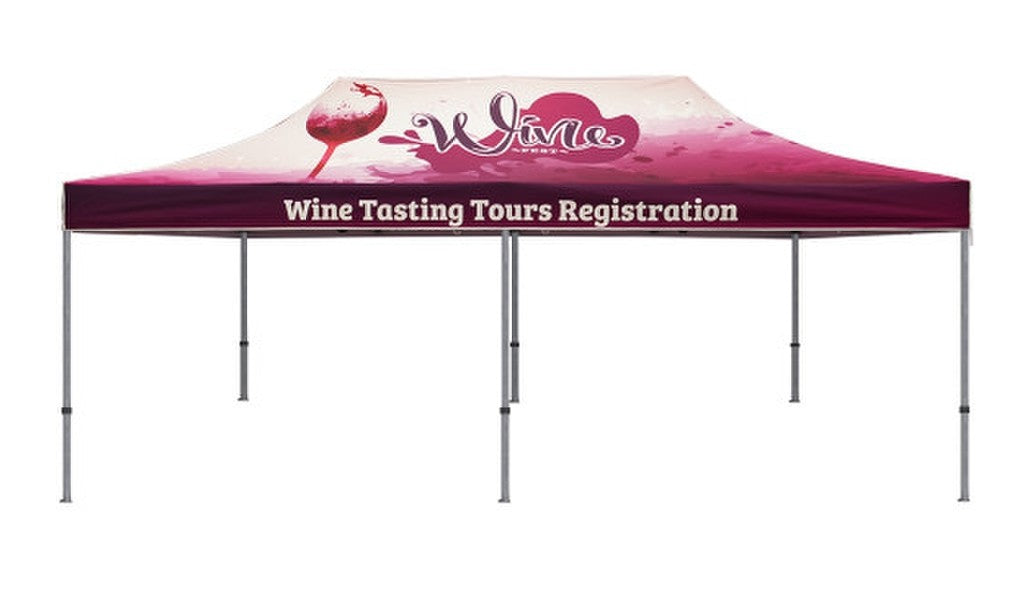
Place your primary logo on the valance--the front-facing fabric strip that runs at eye level across the canopy opening. Secondary messaging works well on the back wall panel. Keep text minimal: market shoppers are moving. One clear headline and your logo outperform a canopy covered in small print.

Color Psychology and Brand Consistency

Your canopy color should match your existing brand palette exactly. Custom dye-sublimation printing achieves precise color matching on quality fabric. Avoid generic white or blue canopies if competitors use the same--differentiation at the color level alone can increase recall and return visits.

Beyond the Top: Side Walls and Accessories for a Unified Look

Printed side walls, matching table throws, and branded hanging banners create a cohesive booth environment rather than a collection of mismatched pieces. That consistency signals professionalism and builds the kind of brand trust that converts first-time browsers into repeat customers.

For vendors ready to scale beyond a single market, that same branding discipline applies directly to trade show environments. The 10x20ft Turnkey Trade Show Booth Rental - Primal Backlit brings that next level of brand presence to Las Vegas show venues, featuring a large-format lightbox graphic wall and a custom-branded reception counter as part of a fully managed rental. Delivery, installation, dismantling, and removal are included in the rental price. Graphics, electrical hook-up, drayage, and accessories are quoted separately. Additional zone fees may apply for venues outside Las Vegas, NV.

The Vendor's Advantage: Setup, Safety, and Long-Term Value

Best pop up canopy tent for outdoor markets.

Quick Setup and Portability: Your Time Is Money

A commercial canopy should deploy in under ten minutes with one person. Telescopic leg designs with push-button adjustments eliminate the need for tools. A carry bag with reinforced handles protects the frame during transport and reduces physical strain across a full market season.

Ballast and Anchoring: Safety First, Always

Wind is the leading cause of canopy accidents at outdoor markets. Weight each leg with a minimum of 24 lbs of ballast, using purpose-built sandbag weights or water-fillable leg weights. Stake anchoring works on grass; on pavement, ballast bags are non-negotiable. Many markets require proof of anchoring before allowing setup.

Maintenance and Care for Extended Canopy Life

Wipe frames with a damp cloth after muddy markets. Store the canopy completely dry to help prevent mold on fabric. Inspect frame connectors monthly for stress fractures, particularly at the scissor joints. Replacement parts for commercial frames are often available individually, so a cracked connector doesn't require a full replacement.

ROI Perspective: Every market appearance is a brand impression. A consistent, professional setup compounds over time: repeat customers recognize your canopy before they reach your stall, shortening the sales cycle at every event.

Maximizing Your ROI: From First Market to Lasting Impression

Vendor Insight: Your canopy is a depreciating asset. Track cost per market day by dividing total investment by number of uses. A well-maintained commercial canopy typically reaches under $5 per market day by year two, making branded printing one of the highest-return upgrades available to a market vendor.

Every element covered in this guide connects back to a single principle: the best pop-up canopy tent for outdoor markets is the one that works reliably, represents your brand clearly, and pays for itself across dozens of market days. Frame material, fabric denier, size selection, and branding aren't separate decisions--they're one decision about how seriously you treat your business presence.

Vendors who invest in commercial-grade aluminum frames, 500D or 600D printed fabric, and proper ballasting spend less over three years than those who replace budget canopies annually. More importantly, they show up looking like a brand worth trusting. Every single weekend.

Whether you're setting up your first 10x10 stall at a local craft fair or expanding into regional trade shows, the fundamentals stay constant. Build a presence that stops foot traffic, communicates your brand in seconds, and holds up under real conditions. That's the foundation--and every upgrade you stack on top of it compounds the return.

Frequently Asked Questions

How does a quality pop-up canopy tent influence sales at an outdoor market?

A quality pop-up canopy tent is your market stall's largest visual asset, acting as your brand's billboard. A clean, branded structure signals professionalism and attracts more foot traffic, directly impacting your sales. It helps shoppers decide to approach your stall within seconds, making a strong first impression.

What defines a 'commercial-grade' pop-up canopy tent for market vendors?

A commercial-grade pop-up canopy tent features an aluminum frame with telescopic legs and easy adjustment systems, unlike the thin steel frames of consumer models. It uses high-denier fabric, typically 500D polyester or higher, with UV protection for lasting performance. This construction ensures durability for frequent market use, reducing long-term replacement costs.

Why should I choose an aluminum frame over steel for my market canopy?

Aluminum frames are significantly lighter, making your pop-up canopy tent easier to transport and set up solo. They are also rust-proof, which is essential for outdoor market conditions with unpredictable weather. This superior strength-to-weight ratio means less fatigue for you and a longer lifespan for your canopy.

What fabric denier is recommended for a durable outdoor market canopy?

For daily market use, I recommend a pop-up canopy tent with a minimum of 500D polyester fabric. This higher denier rating ensures better tear resistance and helps the canopy top maintain color saturation through repeated folding and UV exposure. For custom-printed canopies, 600D fabric offers even better dye retention.

What are the standard size options for pop-up canopy tents at outdoor markets?

The 10x10-foot pop-up canopy tent is the universal standard for most market stalls, fitting a table and displays comfortably. For high-volume sellers or those needing a dedicated demo area, a 10x20-foot configuration offers more space for product variety and customer flow. Always confirm your market's specific stall allotments before purchasing.

Are there specific weather protection features I should look for in a market canopy?

Absolutely. Your pop-up canopy tent should have a minimum 2000mm hydrostatic head rating for reliable rain protection. UV-protective fabric is essential to shield both you and your products from sun damage. Features like adjustable leg venting and cross-brace systems also help your canopy handle wind loads effectively.

Do outdoor markets have fire safety requirements for canopy tents?

Many organized outdoor markets and municipal events require pop-up canopy tents to have fire-resistance certification. It's important to confirm these compliance requirements with your market organizer well before purchasing. A non-compliant tent could be turned away at check-in, regardless of its quality.

About the Author

Chris Holmes is the President of Iconic Displays and a lifelong creative strategist with 20+ years of trade-show experience.

Since founded in 2012, Iconic Displays has guided thousands of turnkey and custom booth projects at marquee events like CES, SXSW, and Natural Products Expo—helping brands of every size cut through the noise and capture attention.

On the Iconic Displays blog, Chris shares candid, actionable advice on event strategy, booth design, logistics, and ROI so you can simplify the process and show up with confidence.

Last reviewed: March 23, 2026 by the Iconic Displays Team
Back to blog

Ready to start building your next memorable event?

Contact Us